
Our second day Tokyo adventure was Kimono Day, a day dedicated to immersing ourselves in Japanese culture and exploring the city’s most famous landmarks. We had pre-booked our half-day kimono experience through Klook, and we couldn’t wait to start on this enchanting journey.
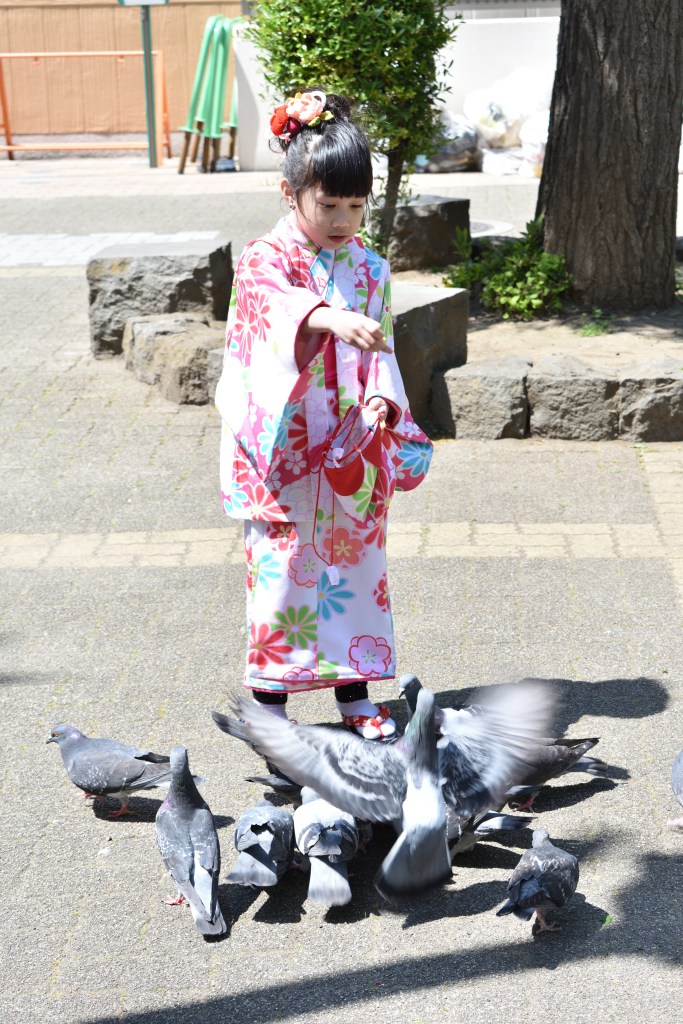
Wearing a kimono is a true art form, and we quickly realized that as we donned our beautiful ensembles. The obi (the sash that ties the kimono together) required intricate folding and tying techniques. Thankfully, the staff at the rental shop were incredibly patient and accommodating, guiding us through the process with grace and precision. Along with the kimono, we were provided with a pair of geta (traditional wooden sandals) and a kinchaku (a drawstring purse). To complete the look, they graciously fixed our hair and adorned it with beautiful and colorful kanzashi (exquisite hair ornaments). You could even avail of their makeup services for an additional fee. And we’re all set feeling Kawaii on our Kimono get-up.

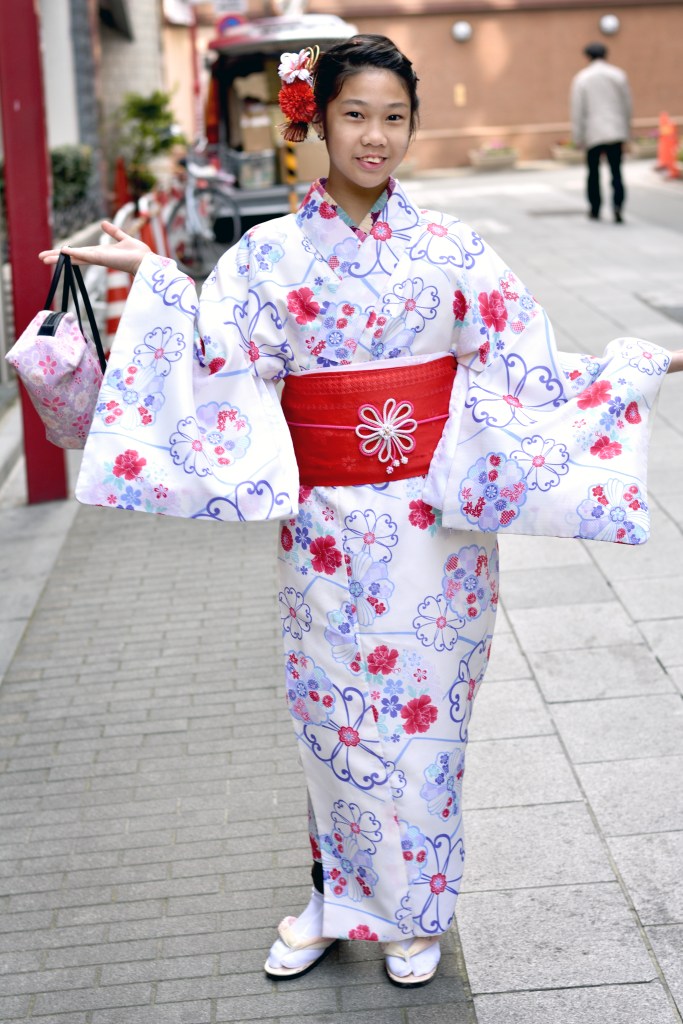


We began our day at the magnificent Sensoji Temple also known as Asakusa Kannon Temple, is a famous Buddhist temple located in the Asakusa district of Tokyo, Japan. It is one of Tokyo’s oldest and most significant Buddhist temples dedicated to the bodhisattva Kannon, also known as the Goddess of Mercy. The main entrance to the temple is called the Kaminarimon, or “Thunder Gate,” which features a massive red lantern and statues of the gods of wind and thunder.


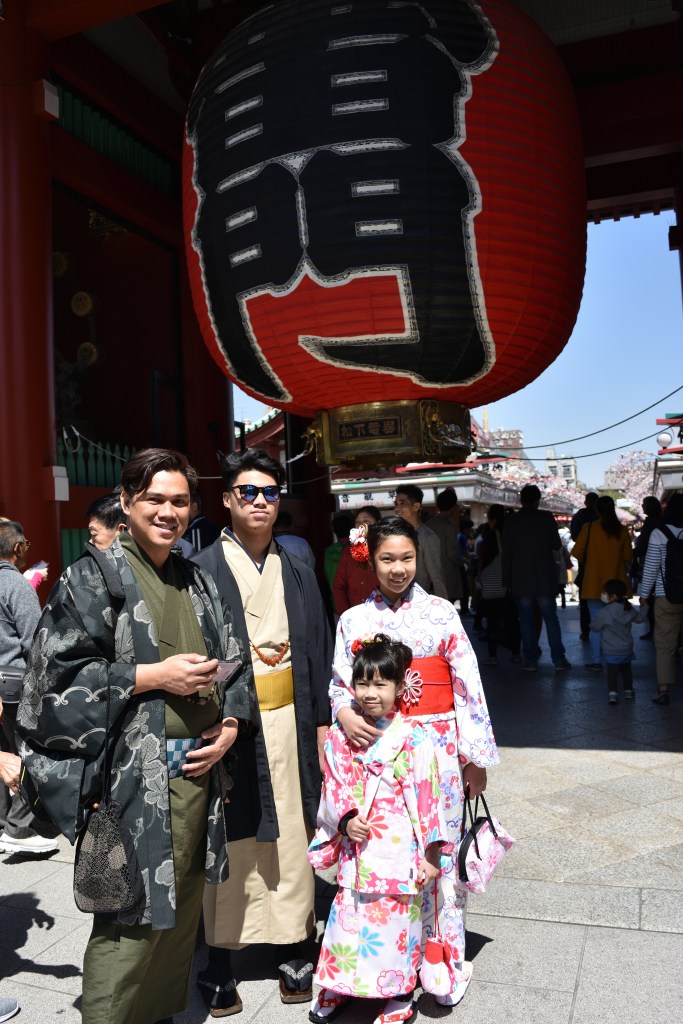
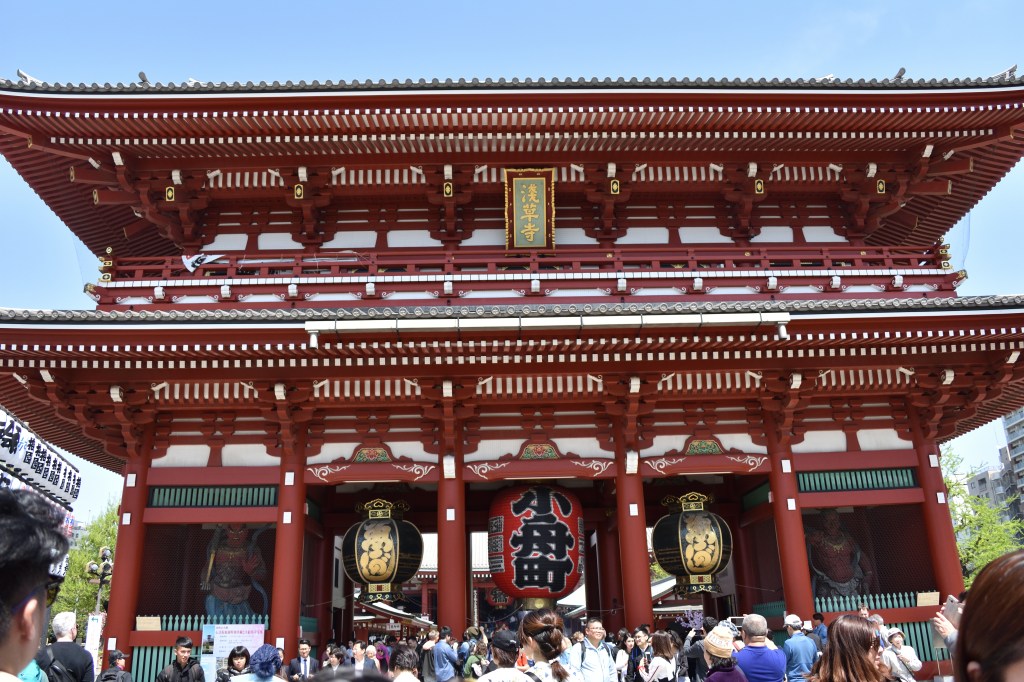
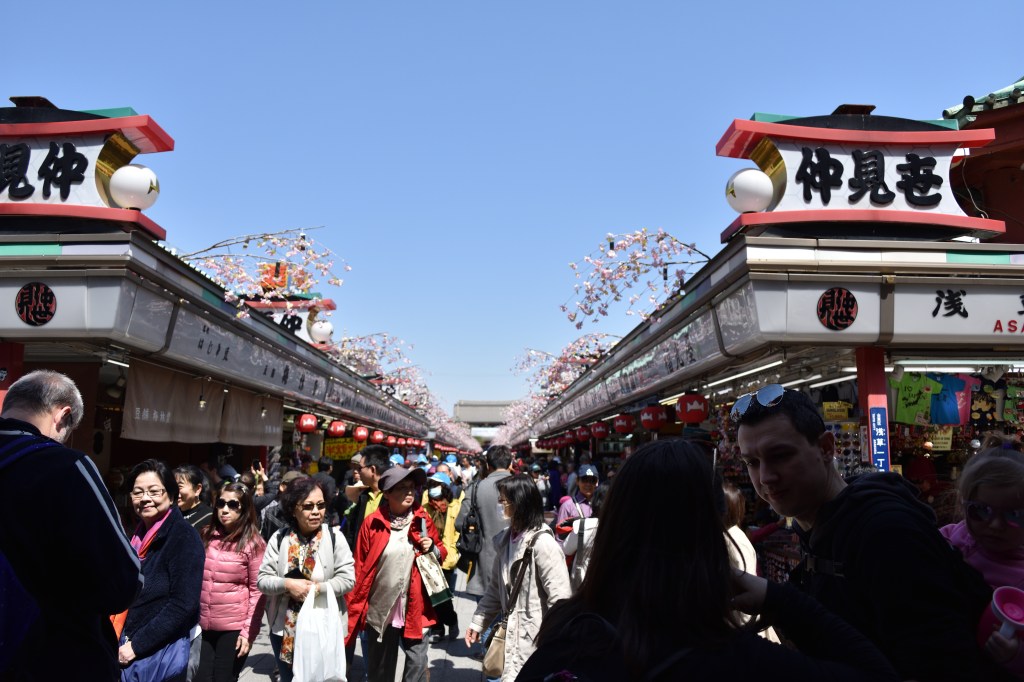

As we marveled at its grandeur, a group of foreigners who seemed fascinated by our kimonos approached us and asked if they could take a picture with us. It was a heartwarming moment, as we realized that our traditional attire had captured the attention of fellow travelers, creating a connection beyond language barriers.
Leaving Sensoji Temple behind, we made our way to Sumida Park, situated along the serene Sumida River. The park is divided into two sections: the upstream section known as Sakura Terrace and the downstream section called Momijiyama (Maple Mountain). We only strolled along Sakura Terrace it has wide promenades, open spaces, and picturesque views of Tokyo Skytree, which stands nearby. The park’s natural beauty, adorned with cherry blossom trees, provided a tranquil setting for a leisurely stroll. As we wandered through the park, locals and tourists alike, mesmerized by our kimonos, couldn’t help but smile and greet us warmly.
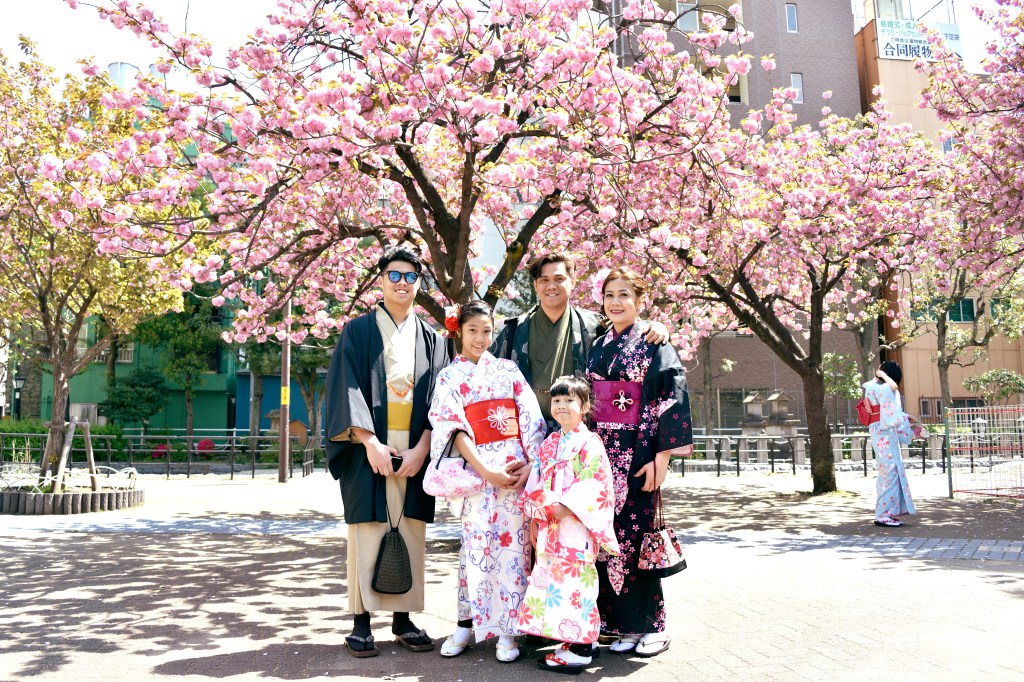

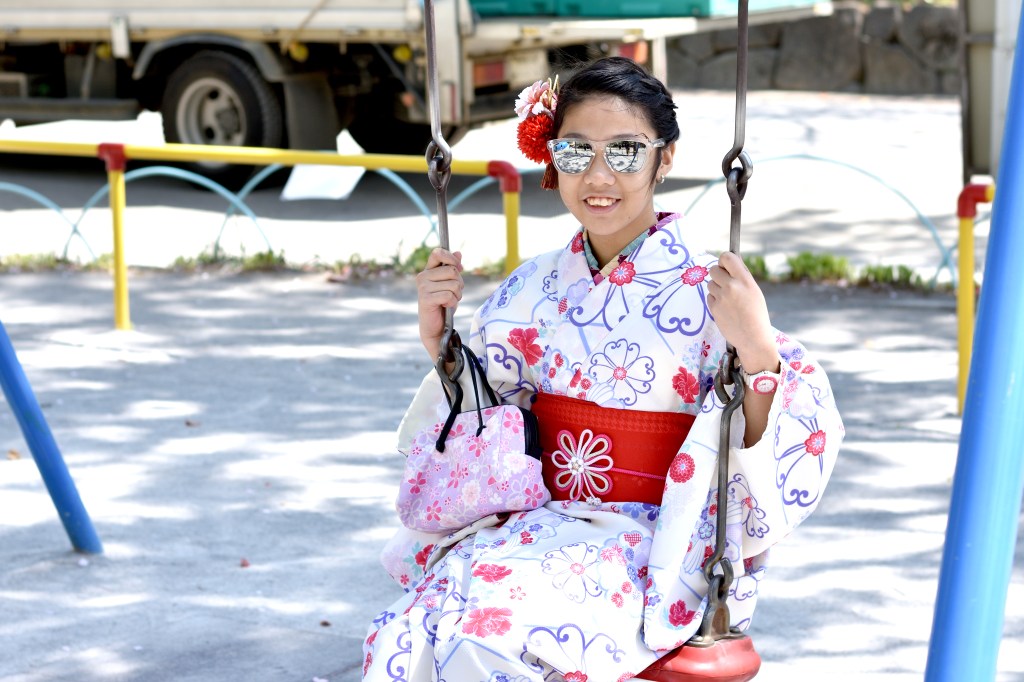


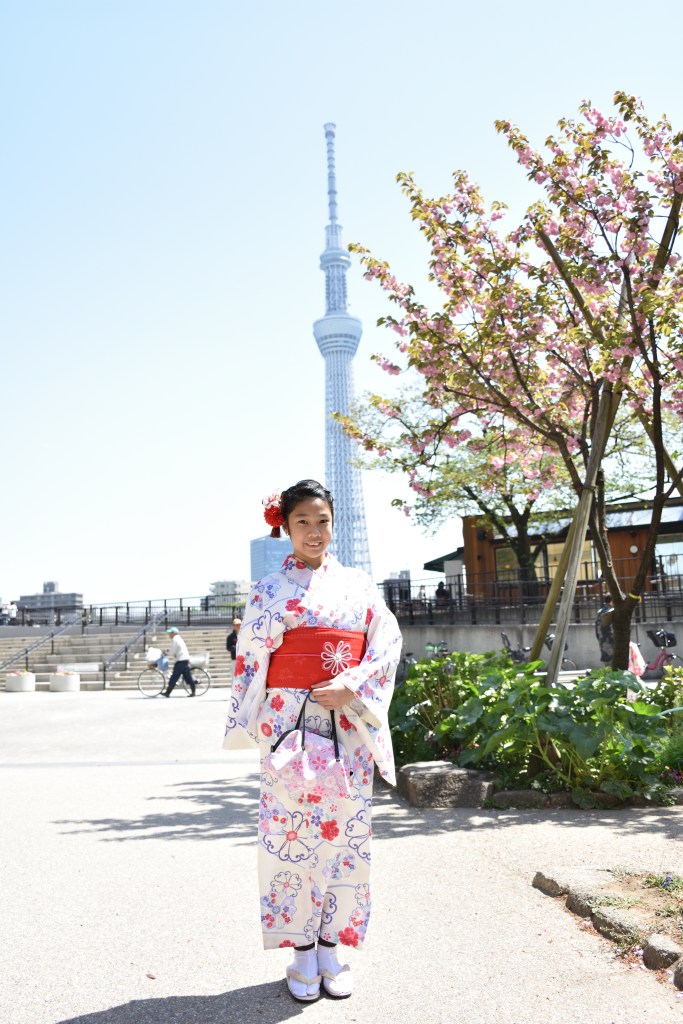

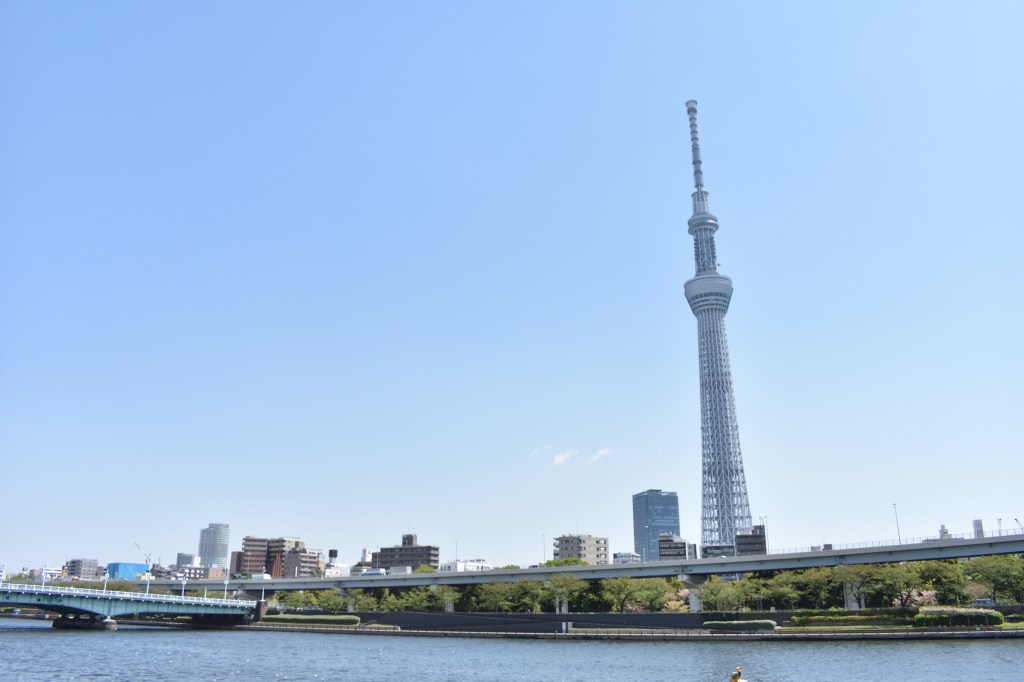
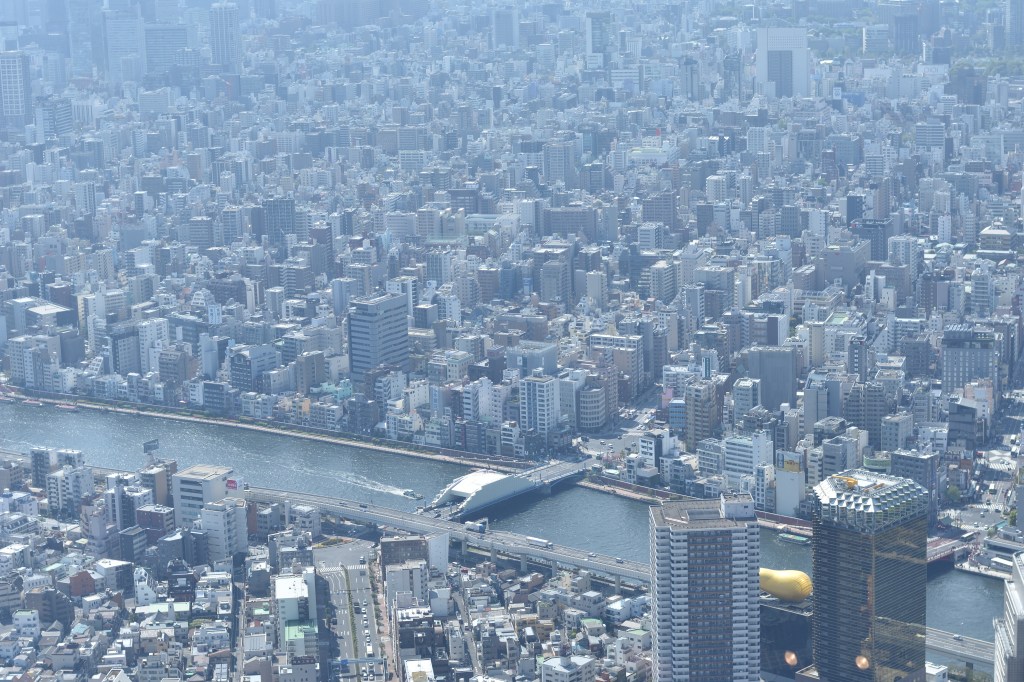
Our next stop was the iconic Tokyo Skytree, a prominent landmark in Tokyo, and one of the world’s tallest towers. Visitors can access the observation decks via high-speed elevators that ascend at speeds of up to 600 meters (1,969 feet) per minute. The towering structure offered us breathtaking panoramic views of the sprawling city including landmarks like Mt. Fuji on clear days. From the Tembo observation deck, we gazed out at the urban landscape, a harmonious blend of modern skyscrapers and traditional architecture. The view was awe-inspiring, and we couldn’t resist capturing the moment in countless photographs.
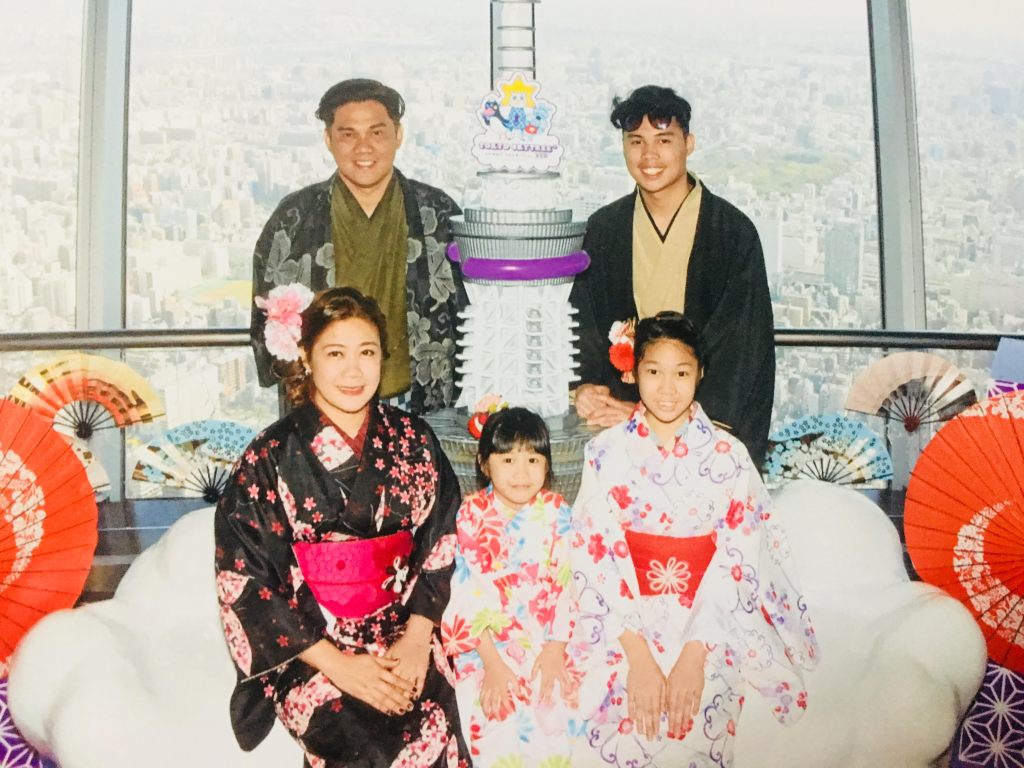

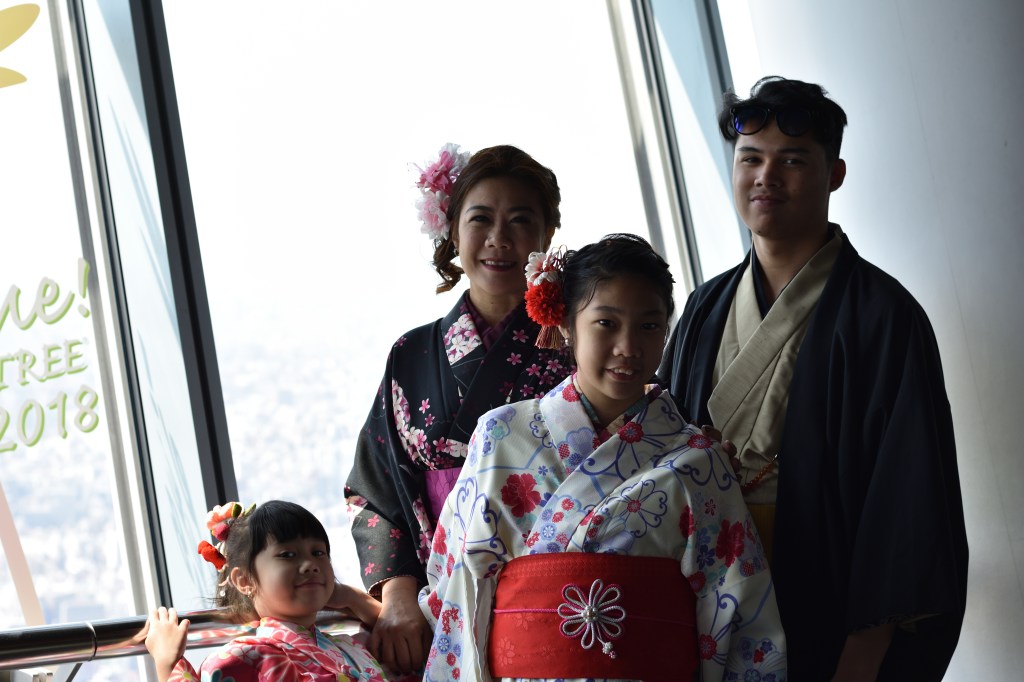
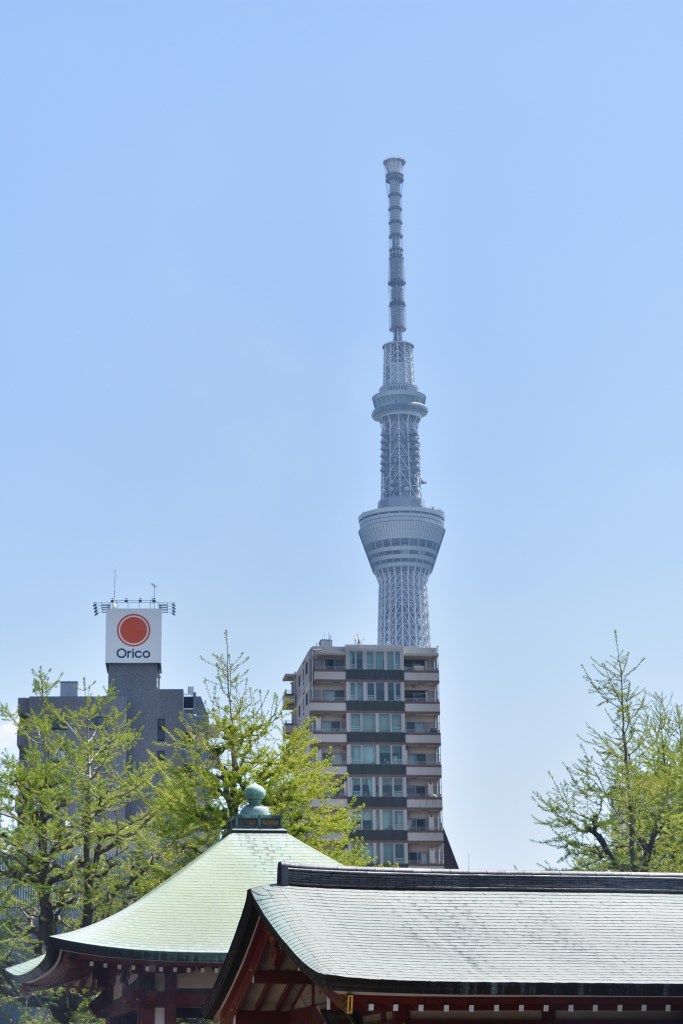
After bidding farewell to the Skytree, it was time to return our kimonos to the rental shop. As we walked through the streets, we couldn’t help but feel a sense of gratitude for the opportunity to experience Tokyo in such a unique way. The locals we encountered along the way smiled at us, appreciating our efforts to embrace their culture.
Our next destination was Meiji Shrine, also known as Meiji Jingu, it is a Shinto shrine located in Shibuya. It is dedicated to the deified spirits of Emperor Meiji and his wife, Empress Shoken. The shrine was established in 1920 and is one of the most important and popular shrines in Tokyo.
Meiji Shrine is set within a large forested area called Meiji Jingu Gaien, covering an area of approximately 170 acres. The tranquility and natural beauty of the shrine’s surroundings make it a popular destination for locals and tourists seeking a peaceful escape from the bustling city.
The shrine’s main entrance is marked by a massive torii gate made of cypress wood, which is one of the largest wooden torii gates in Japan. As visitors pass through the gate, they enter a long pathway known as the Omotesando, which is lined with towering trees and leads to the main shrine buildings.


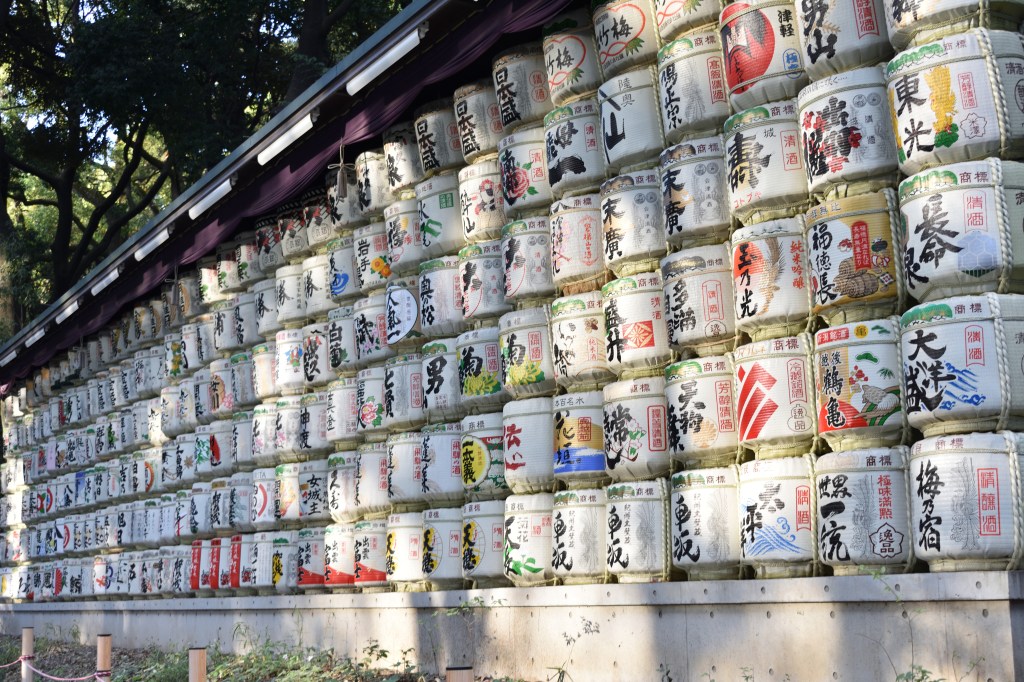
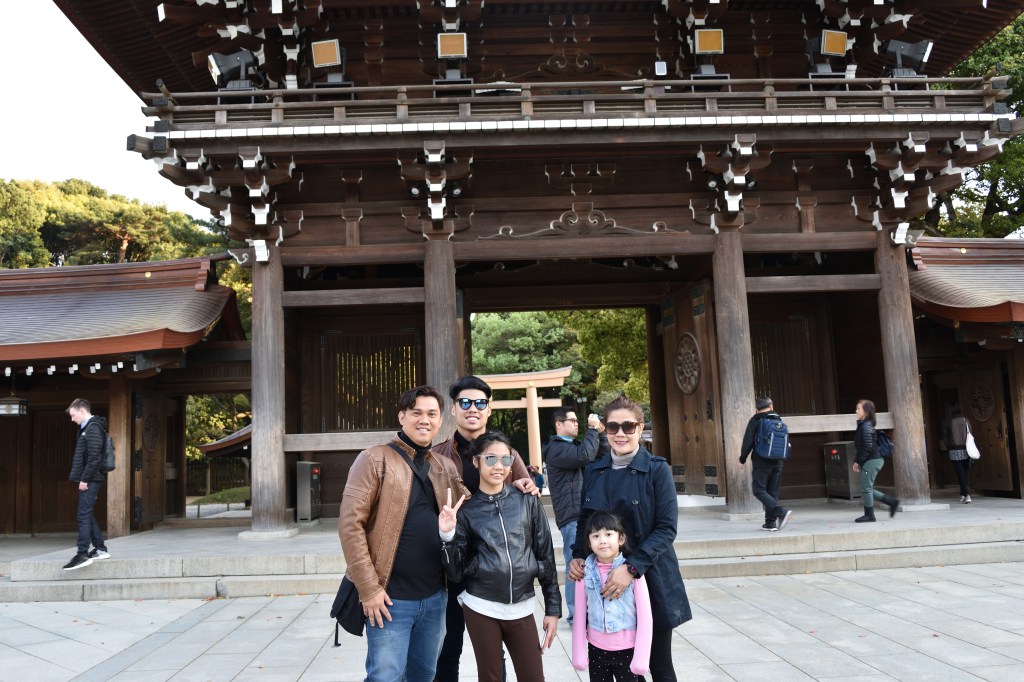


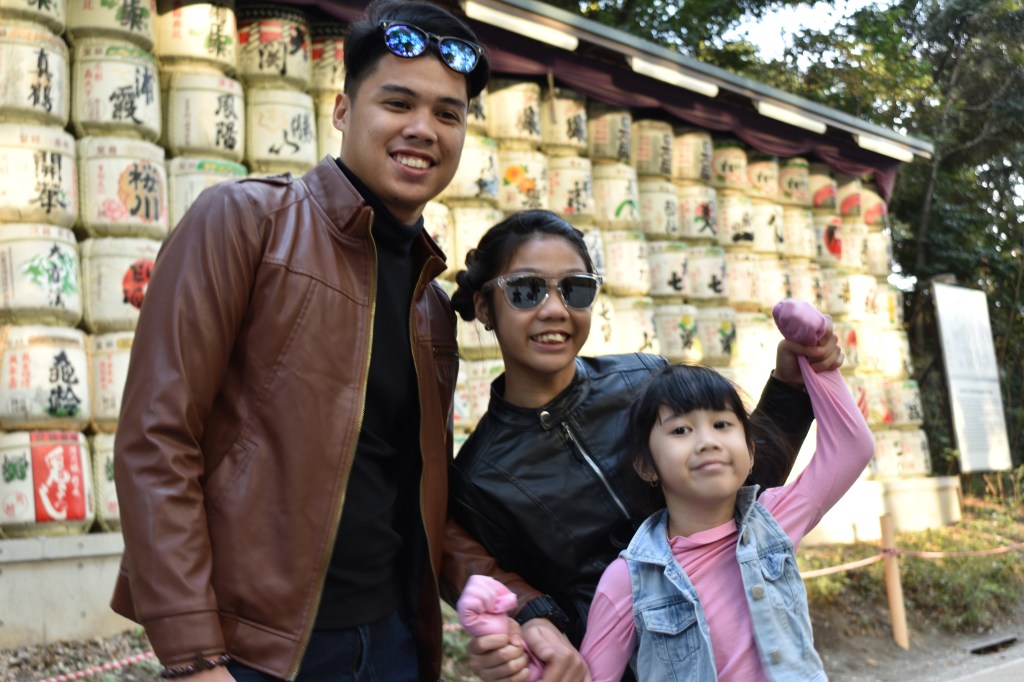

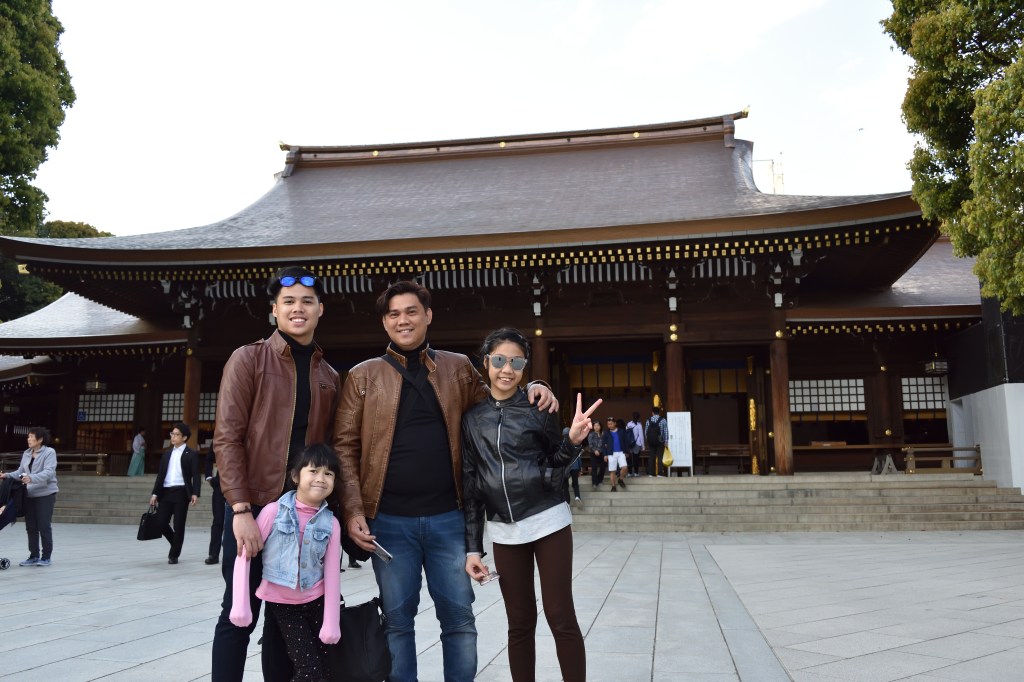
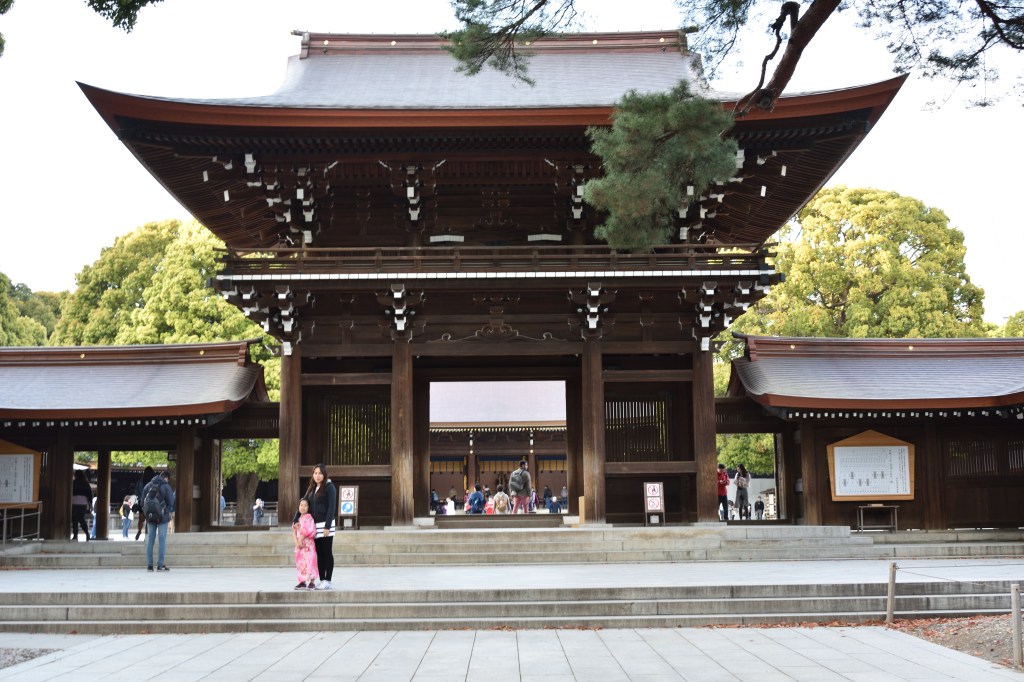
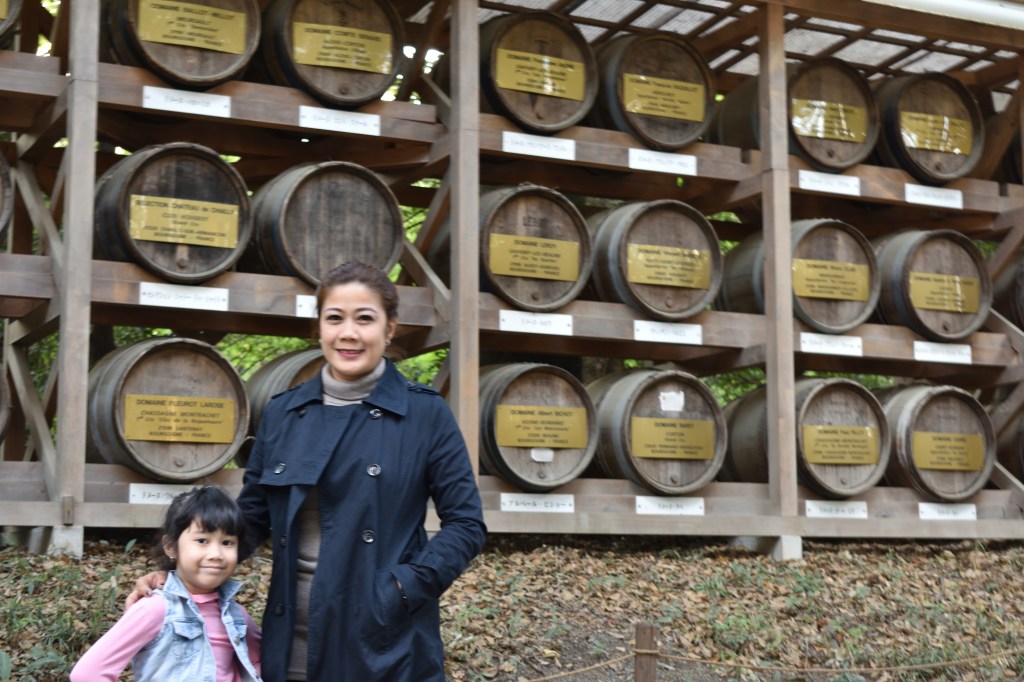

It is indeed a hidden oasis in the heart of the lively city. The tranquil surroundings of the shrine provided a welcome respite from the urban chaos.
Leaving Meiji Shrine, we ventured into the vibrant neighborhood of Harajuku. Takeshita Street, also known as Takeshita-dori, a famous and vibrant shopping street located in the Harajuku district of Tokyo. It is famous for its quirky fashion and eclectic shops selling various items such as cosplay costumes, alternative fashion, and Kawaii (cute) merchandise. The street is lined with colorful and eye-catching storefronts, and it offers a wide range of fashion styles, from Lolita fashion to streetwear and alternative subcultures. It is a popular destination for both locals and tourists, particularly young people, and fashion enthusiasts.
Takeshita Street is also home to numerous cafes, crepe stands, and snack shops offering a variety of treats and street food. You can find delicious crepes, bubble tea, cotton candy, and other snacks that cater to different tastes. We indulged in some retail therapy, exploring the unique boutiques and sampling delicious treats along the way.




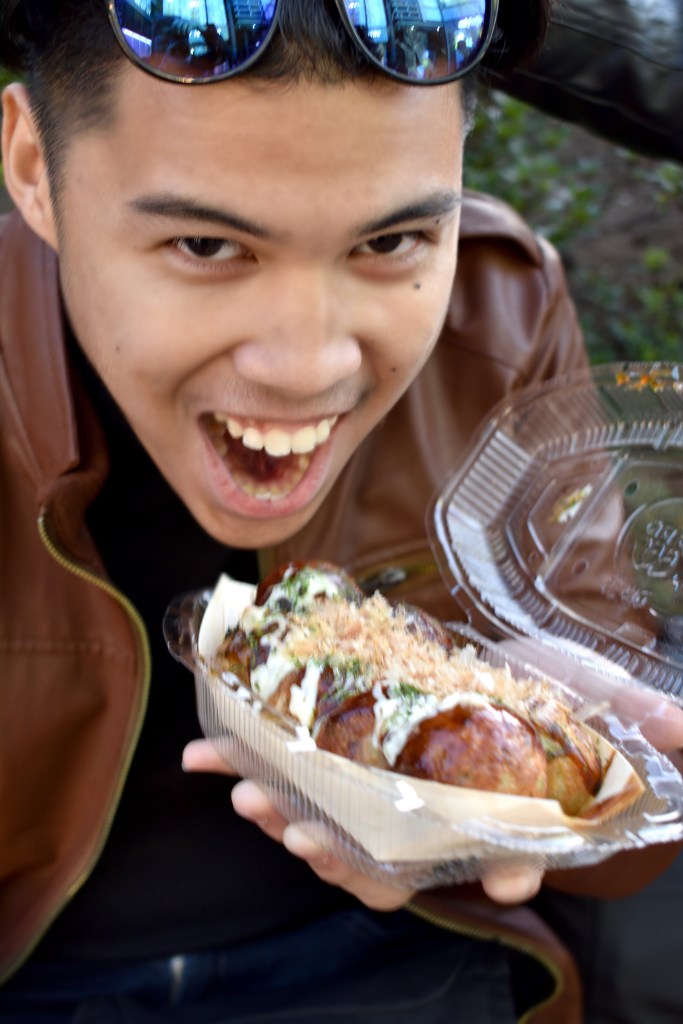
No visit to Harajuku would be complete without trying the famous Gindaco takoyaki. It is a popular franchise in Japan known for its delicious takoyaki, a traditional Japanese snack made of wheat flour batter filled with octopus, green onions, and other ingredients. The savory octopus-filled balls were a culinary delight, bursting with flavor and perfectly complementing our adventurous day. If you have the opportunity to visit one of Gindaco Takoyaki’s stands, I would recommend trying their takoyaki to savor this delicious and iconic Japanese street food.

As the sun began to set, we made our way to Shibuya Crossing, the world’s busiest intersection. It is located in the Shibuya district, specifically in front of the Shibuya Station Hachiko exit. Shibuya Crossing is popular for its vibrant and bustling pedestrian crossing, often featured in movies and television shows as an iconic representation of Tokyo’s urban life. Amidst the sea of people, we experienced the thrill of crossing this iconic landmark, surrounded by dazzling billboards and neon lights. To our surprise, we witnessed a group of people dressed as Mario and Luigi racing in go-karts, adding a touch of whim to the bustling streets of Tokyo.

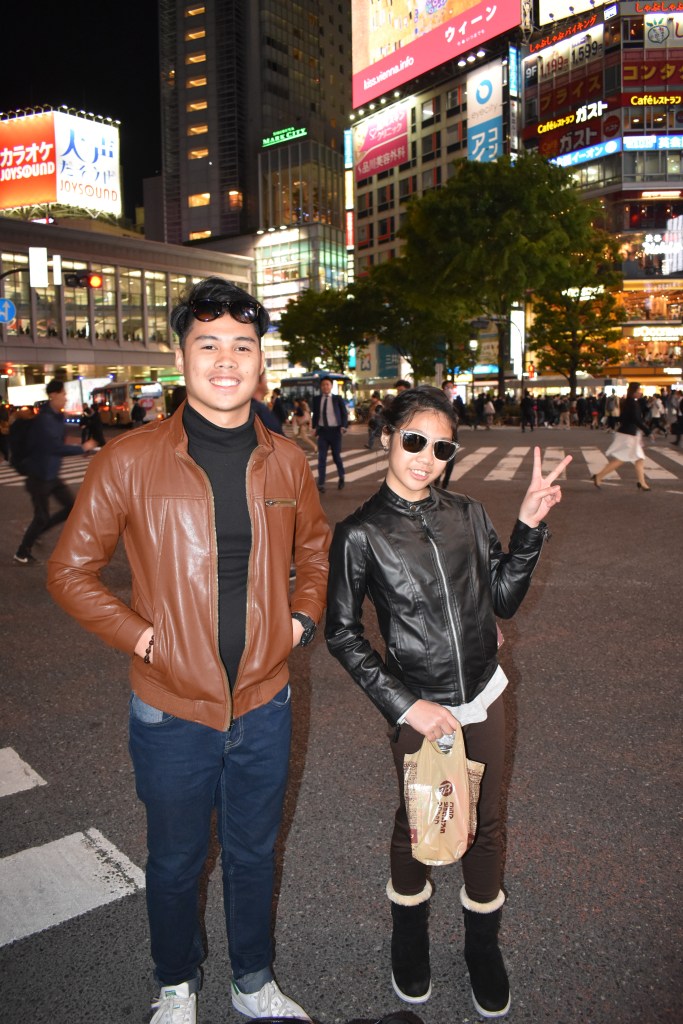


Before heading back to our accommodations, we paid our respects to the legendary Hachiko monument. The Hachiko Statue is a famous bronze sculpture located near the Shibuya Station in Tokyo, Japan. It is a beloved symbol of loyalty and has become an iconic meeting point for locals and tourists alike.
The statue depicts a dog named Hachiko, an Akita breed, who became known for his remarkable loyalty to his owner, Professor Hidesaburo Ueno. Hachiko would faithfully wait for his owner at the Shibuya Station every day, even after Professor Ueno’s sudden passing in 1925. Despite his owner never returning, Hachiko continued to wait in the same spot for nearly 10 years until his own death in 1935.
Visitors often gather around the statue, take pictures, and leave offerings such as flowers and dog toys as a tribute to Hachiko’s loyalty. The Hachiko Statue is not only a popular tourist attraction but also a symbol of the enduring bond between humans and animals.


Despite the weariness from our long walks, our hearts are brimming with cherished memories as we conclude our second day. From the exquisite and immersive Kimono experience to exploring awe-inspiring historical shrines, we have delved deep into the richness of Japan culture. Moreover, the juxtaposition of tradition and modernity has captivated us, leaving us in awe of the vibrant cityscape. Additionally, the delectable culinary delights we savored throughout the day have added flavor and delight to our journey. Every moment was a treasure. With contentment in our souls, we return to our accommodation, grateful for the happiness that fills our hearts. Excited for the adventures that lie ahead, we eagerly await the next day’s discoveries.
 TEAMGONZAGA
Pingback: Exploring Tokyo in Kimo | TEAMGONZAGA